Ndutu - Southern Serengeti
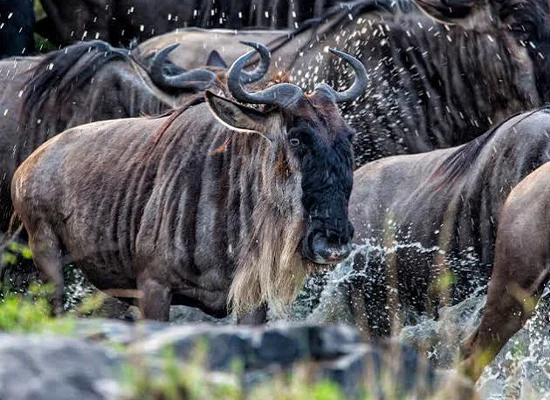
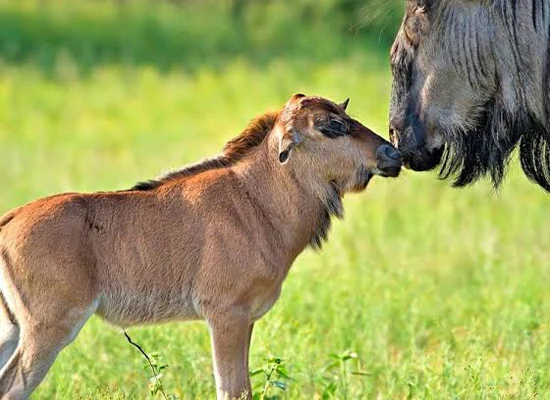
Spend three days exploring Ndutu during calving season, with guided drives across the plains to look for newborn wildebeest, zebra, and predators.

Visit Tanzania during the Southern Serengeti calving season for dramatic wildlife scenes, abundant newborns, and the natural rhythms of the Great Migration.
From January to March, the Ndutu plains and southern Serengeti host thousands of wildebeest giving birth while predators gather to take advantage of the seasonal abundance. Green landscapes, energetic herds, and concentrated wildlife create one of Africa's most rewarding safari experiences.
Calving season itineraries can combine the southern Serengeti with Ngorongoro, Tarangire, or a Zanzibar beach extension. Expert seasonal planning helps us select the most promising areas for wildlife activity, photography, and comfortable travel based on current conditions.
Ndutu - Southern Serengeti
Spend three days exploring Ndutu during calving season, with guided drives across the plains to look for newborn wildebeest, zebra, and predators.
Ndutu - Ngorongoro
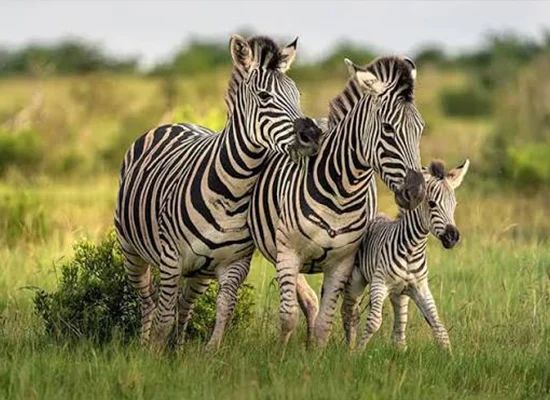
Explore Ndutu and the southern Serengeti at calving season, with guided drives to find newborn wildebeest, zebra, and predators following the herds.
Ndutu - Southern Serengeti
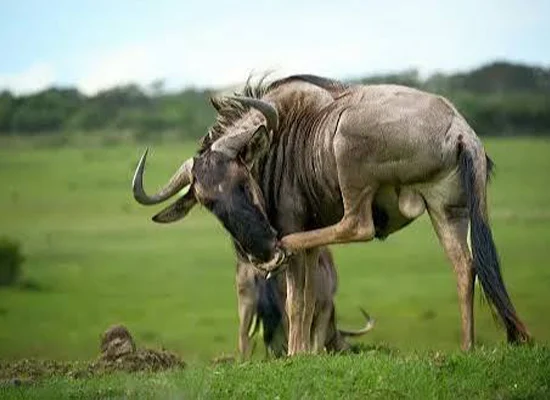
Spend unhurried days in Southern Serengeti, following seasonal herds and watching for newborn wildlife, active predators, and memorable migration scenes.
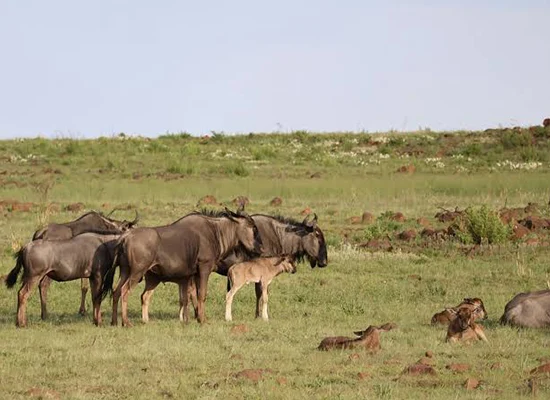
Ndutu - Southern Serengeti
Follow wildebeest herds across Ndutu’s open plains, watch for newborn calves, and enjoy guided wildlife drives in the Southern Serengeti.
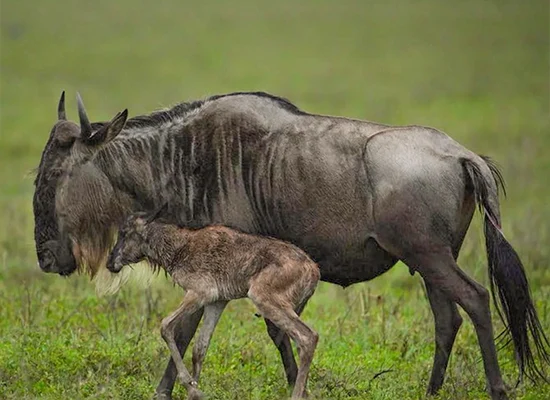
Ndutu - Serengeti - Ngorongoro
Watch the calving season unfold in Ndutu, explore the Serengeti, and visit Ngorongoro for excellent opportunities to see Africa’s Big Five amid sweeping crater scenery.
Why Visit Calving Season
Strategic timing and Southern Serengeti expertise reveal remarkable wildlife moments.
Routes follow the January to March calving period when conditions align.
See newborn wildebeest, zebra foals, and active predator behavior.
Golden grasslands and concentrated wildlife create extraordinary scenes.
Local guides position you close to migration activity without disturbing it.
Calving Season FAQs
Plan your Southern Serengeti safari with confidence using our most helpful travel answers.
Your trusted local safari operator in Tanzania. We curate memorable wildlife safaris, Kilimanjaro mountain trekking, day trips, and relaxing Zanzibar beach getaways.
Arusha, Tanzania
Subscribe for seasonal migration updates, safari tips, and exclusive packages.